
Call-In 2.0 – Allyship: Building a Culture of Courage

Understanding “Call-In”
“Call-In” is a series of working groups designed to develop best practices for DEI. This initiative, was set out by our very own Priti Gadani and Ellie Lawford who approached Eleanor Strange (AEW Architects), Louise Grimes (M1NT Studio Ltd), Jenny Perrie, Matthew Gavin & Martina Mastrangeli (HORIZON Fletcher Rae), Alice Parker (Ridge & Partners), Aida Ahmad (BondBryan: Fairhursts) and Jonah Speaks (Turner & Townsend) to lead on important subject matters. Identified by the first fact finding meeting, Komfort and the others, led four sessions in 2025 focusing on Allyship, Competence, Accountability and Investment.
Last year, we started the conversation and identified. In 2026, we are ramping it up and are looking at the methods of application and results.

Key Takeaways from Allyship 2.0
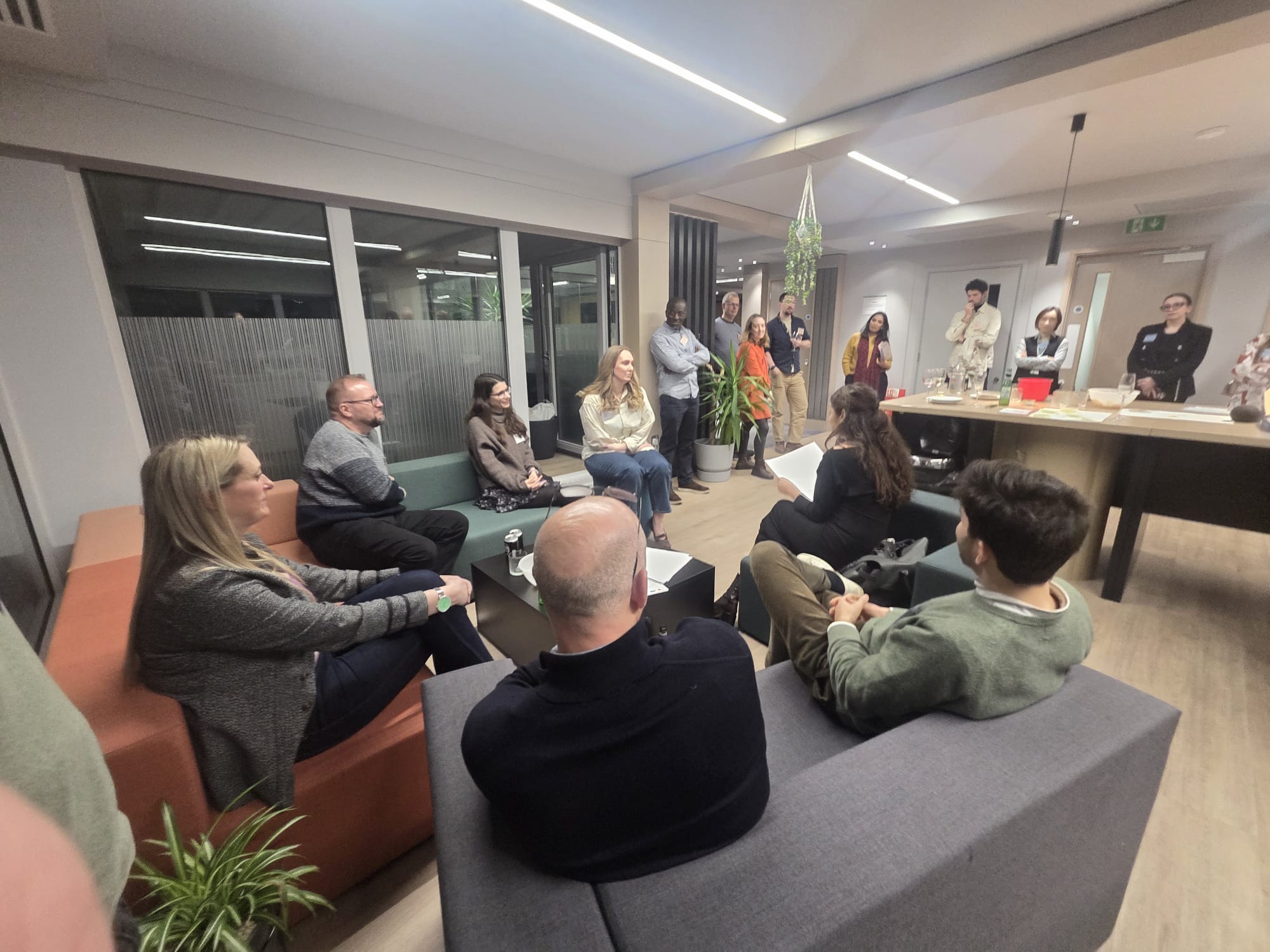
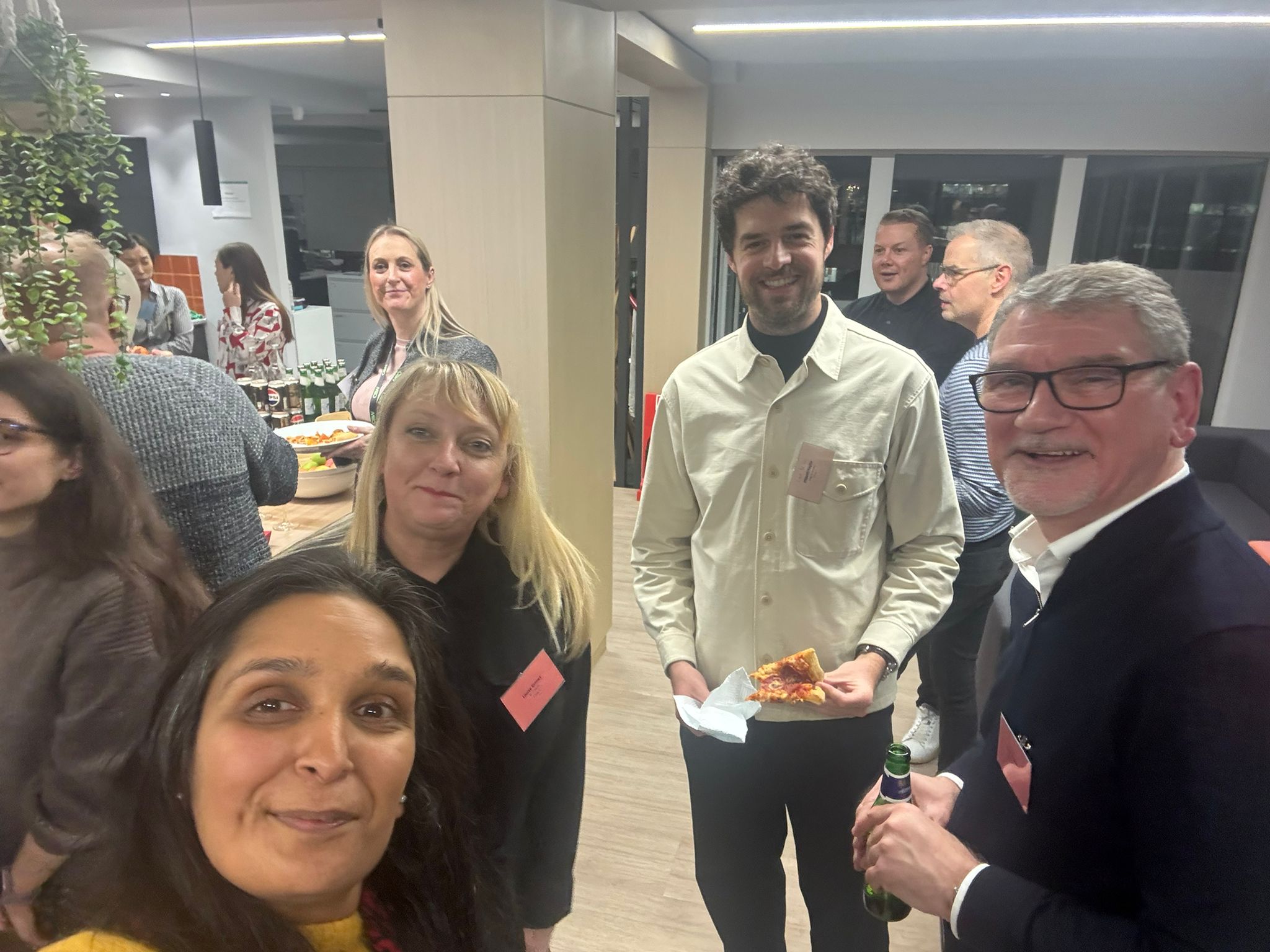
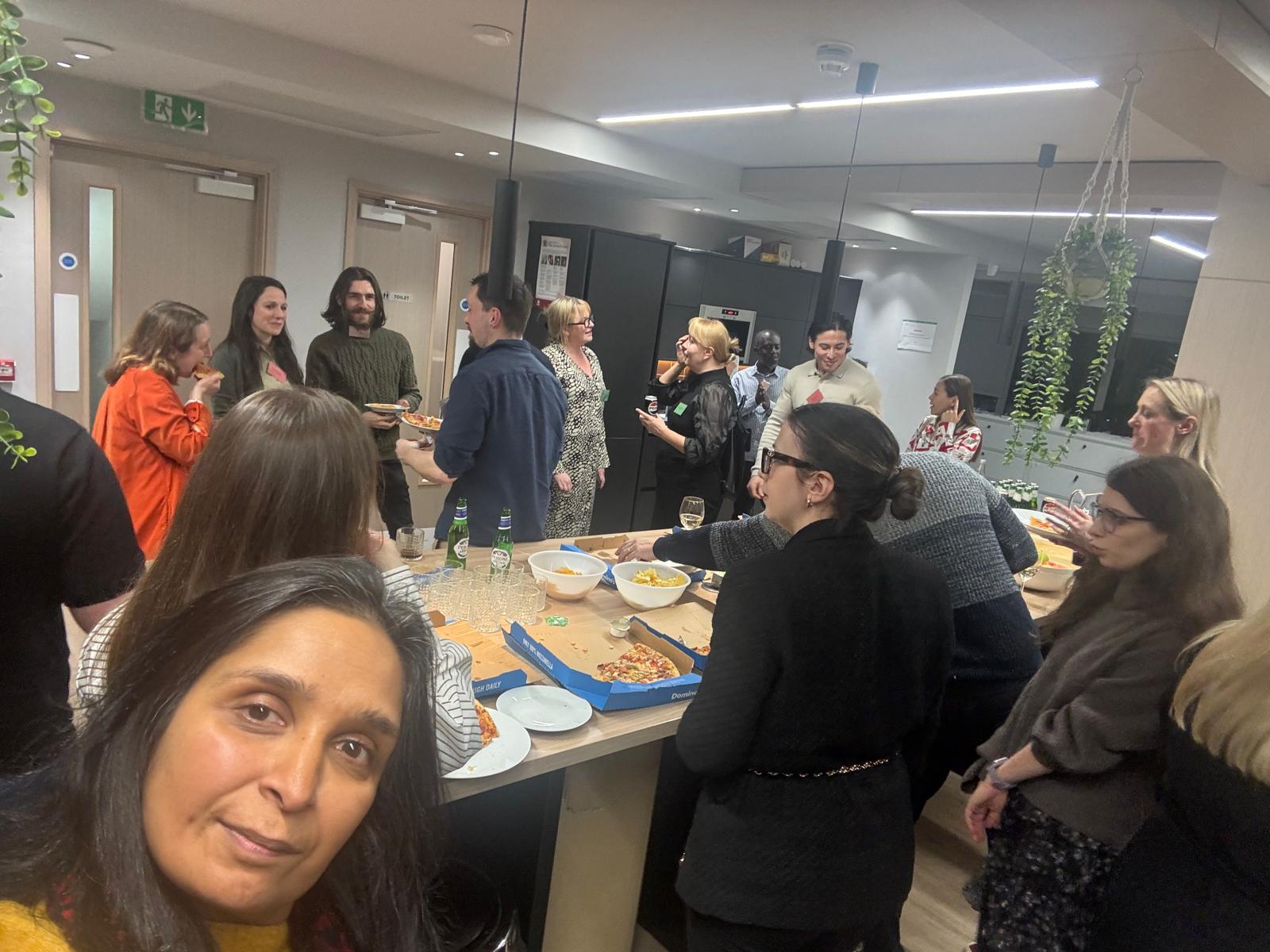
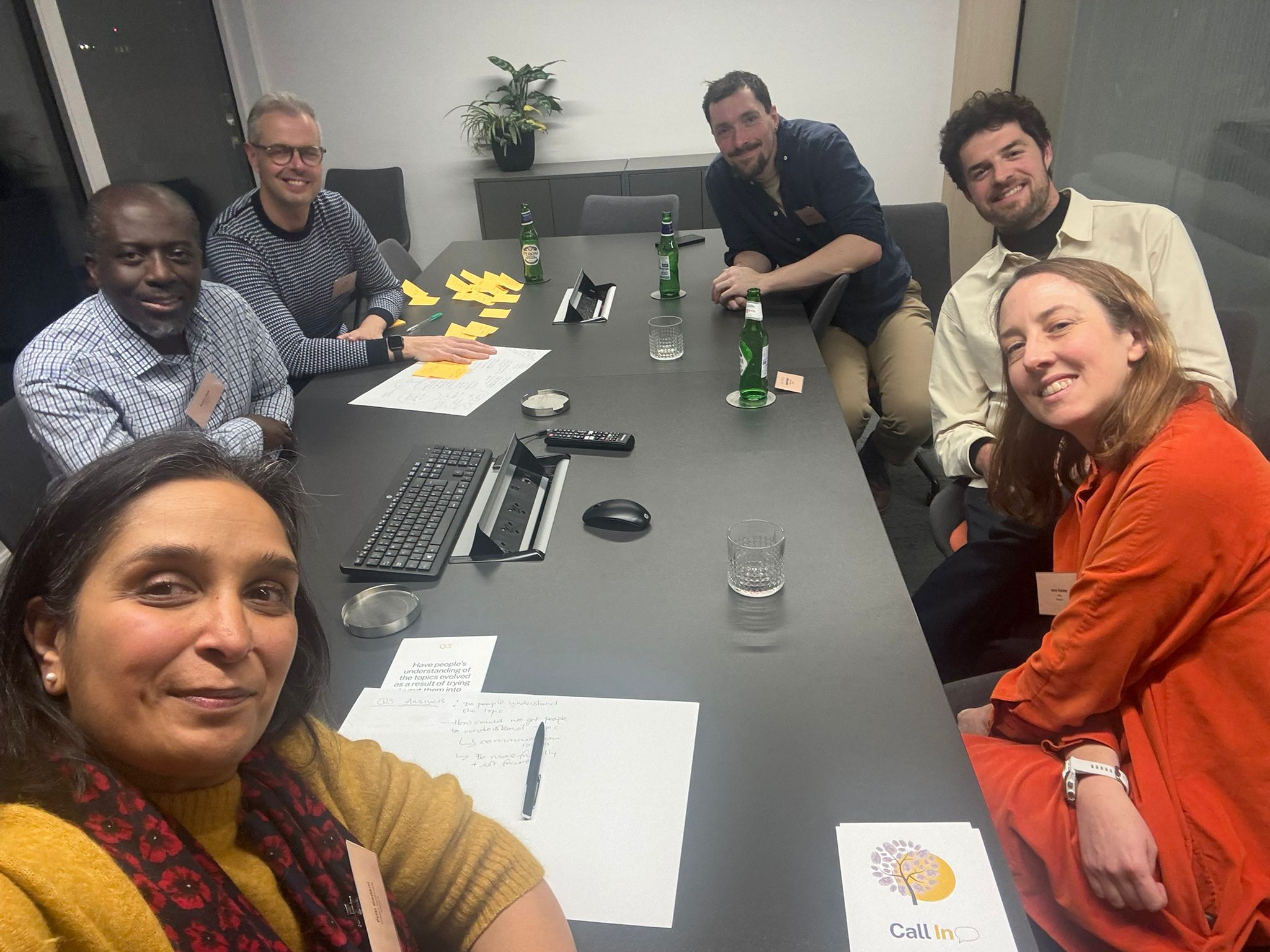
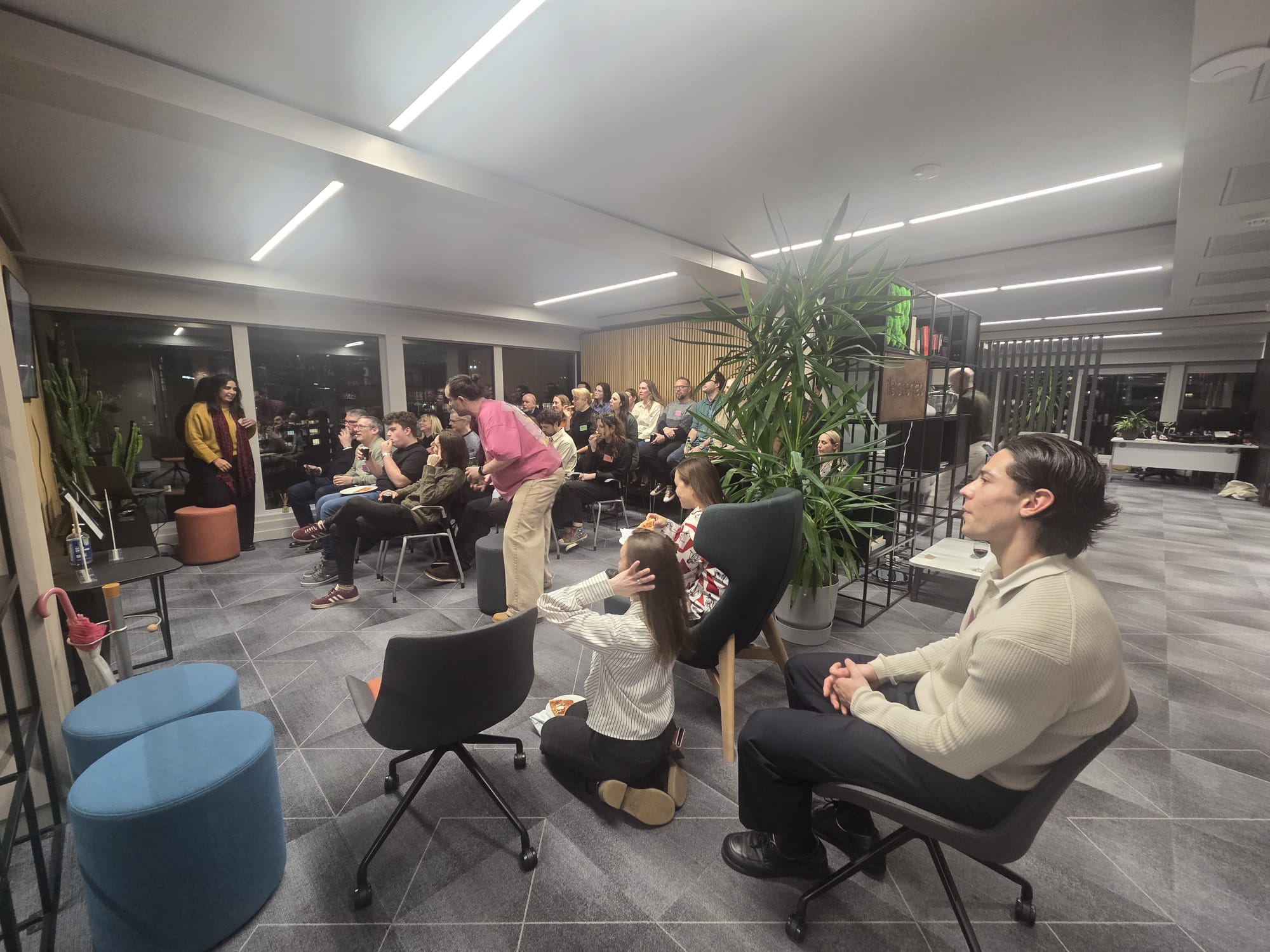
On Wednesday, February 11th, we gathered for our latest Call In workshop: Allyship 2.0. It was a session defined by raw honesty, a lack of hierarchy and a collective drive to move beyond “tick-box” exercises and toward genuine organisational evolution.
The feedback from our group workshops highlighted a clear consensus that allyship needs to be put into practice. Here is a summary of the insights, challenges and breakthroughs discussed by our participants.
Breaking the Hierarchy – What’s Working
One of the most celebrated aspects of the workshop was the removal of the power dynamic. Seeing junior staff, apprentices and senior management interrogating the same concepts from different viewpoints created a unique space for “natural allyship”.
Key Successes:
- The “Call In” Mentality: Participants valued the “Speak Out” button concept—a commitment to not “kicking the can down the street” when issues arise.
- The End of the Echo Chamber: By bringing together a diverse balance of age, gender and discipline, we avoided the trap of “only talking to people who agree with us”.
- Authenticity vs. Imposter Syndrome: A major talking point was the struggle to separate professional personas from our authentic selves. The workshop proved that sharing these personal experiences helps others think differently.

From Policy to Practice – Implementing Change
While high-level ideas are inspiring, the group was vocal about the need for tangible infrastructure. We discussed everything from pet leave and carers policies to soft inductions for new starters.
The Reality of Implementation:
- Small Changes over Overcompensation: Change doesn’t always mean “saving the world” overnight. It’s about small, consistent shifts that build a sense of belonging.
- The Risk of the “Alien Moment”: Being honest and open is brave, but participants noted it doesn’t always result in immediate acceptance. Passing that “alien moment” requires starting the conversation early and often.
- Beyond the Email Culture: There is a strong desire to move away from a “cover your back” email culture and toward face-to-face (or screen-to-screen) bravery and relationship building.
The Role of Senior Management
A recurring theme was the necessity of leadership by example. While peer-to-peer support is vital for daily wellbeing, systemic change requires the “top tier” to be active listeners.
“Allyship is about people—and people help better the business.”
The Challenges Ahead:
- Resistance: Breaking down barriers remains difficult, especially when some view these events as “extra work” rather than core professional development.
- The “Tick-Box” Fear: To be successful, DEI (Diversity, Equity and Inclusion) changes must be felt, not just filed. This means regular staff surveys, feedback loops and transparent roadmaps with clear timelines.
- No Stupid Questions: We must continue to foster an environment where people aren’t fearful to ask questions. If we impose limitations on what can be discussed, we limit the growth of the culture.
Moving Forward: Our Roadmap
The Allyship 2.0 workshop proved that while gender equality and trust issues are still significant hurdles, the appetite for change is huge. We aren’t looking for a “conventional” approach anymore, we are looking for a culture that values the quality of time and input over performative gestures.
Our next steps involve:
- Developing a champion of change network.
- Refining our flexible working and core hours transparency.
- Implementing buddy systems to ensure everyone has a designated ally from day one.
Thank you to everyone who participated with such bravery. You didn’t just attend a workshop, you helped build the roadmap for our future.
We are now counting down to the Competency 2.0 Call-In in Spring!