

Supporting the Future of Sustainable Construction with Low‑Carbon Glass
As clients, designers and contractors place greater emphasis on reducing embodied carbon, material choices are rightly so coming under increased scrutiny. At Komfort, we are committed to supporting the industry through practical, scalable initiatives that drive meaningful change.
One of the most impactful ways we are doing this is by supporting the production and use of low‑carbon glass, enabled through a closed‑loop recycling initiative that takes glass waste directly from site and feeds it back into the glass manufacturing process.
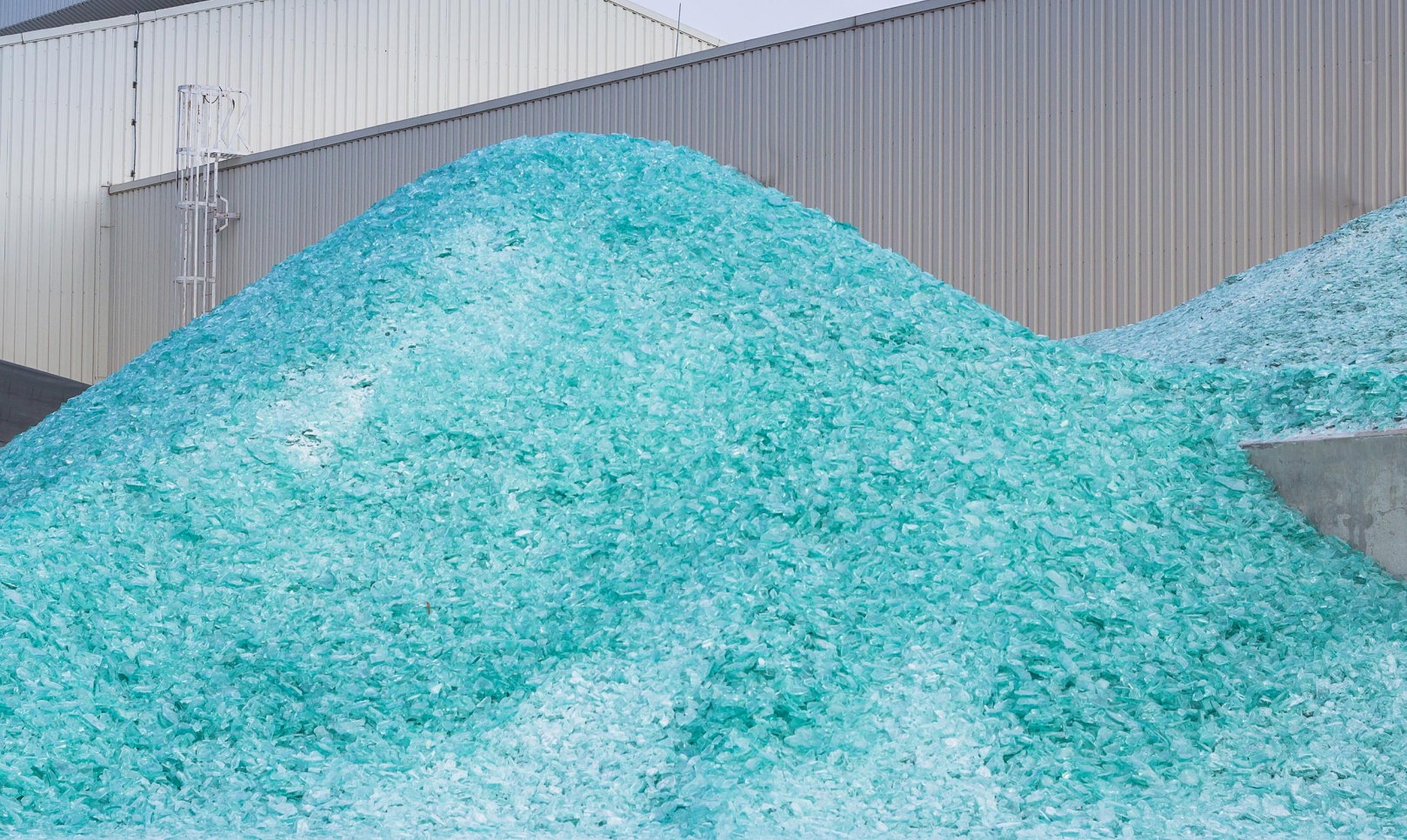
What Is Closed‑Loop Glass Recycling?
Glass is one of the most recyclable construction materials available, yet traditionally a significant amount of site‑generated glass waste has been downgraded, exported or disposed of. Closed‑loop recycling changes this model entirely.
Through Komfort’s recycling initiative, glass removed from site during fit‑out or refurbishment projects that can’t be reused is:
- Collected directly from site
- Segregated and processed for recycling
- Returned to UK glass manufacturers
- Re‑used as cullet in the production of new low-carbon glass
This circular approach ensures that high‑quality glass remains within the supply chain, reducing waste and closing the loop between construction and manufacturing.
Why Low‑Carbon Glass Matters
Glass production is energy‑intensive, largely due to the high temperatures required to melt raw materials. However, when recycled glass (known as cullet) is used in manufacturing, it melts at a lower temperature than virgin materials. This leads to:
- Reduced energy demand
- Lower CO₂ emissions during production
- Less reliance on raw material extraction
Low‑carbon glass is typically produced with much higher recycled content, resulting in a significantly reduced embodied carbon value compared to conventional glass.
Reducing Embodied Carbon at a System Level
When specifying glazed partitioning systems, embodied carbon is not determined by aluminium frames alone, glass plays a major role in the overall environmental impact of the system.
By supporting low‑carbon glass through closed‑loop recycling, Komfort helps project teams:
- Lower the embodied carbon of internal walling and glazing systems
- Contribute to whole‑life carbon assessments
- Support BREEAM, SKA and sustainability targets
- Demonstrate measurable action rather than offset‑based solutions
This approach aligns with the growing industry shift towards designing out carbon, rather than compensating for it after the fact.
A Solution Gaining Momentum
Low‑carbon glass is still relatively new to the commercial interiors market, but its adoption is accelerating rapidly. As manufacturers scale up recycled content capacity and clients demand greater transparency around materials, low‑carbon glass is quickly becoming a credible, mainstream specification option.
Komfort’s closed‑loop initiative plays a key role in supporting this transition by:
- Creating a reliable supply of high‑quality recycled glass
- Reducing waste from refurbishment and strip‑out projects
- Strengthening UK‑based manufacturing sustainability
- Supporting innovation without compromising performance or aesthetics
This is sustainability that works in real projects, not just in principle.
Building a More Circular Industry
Our commitment to closed‑loop glass recycling is part of a broader ambition to support a more circular construction industry, one that values resources, reduces waste and lowers carbon at every stage of the product lifecycle.
By keeping glass in circulation and supporting low‑carbon production, Komfort is proud to be working alongside manufacturers, contractors and designers to create interiors that perform better for people, projects and the planet.